Sustainability isn’t just a trend, it’s now a necessity. Businesses and consumers are both demanding packaging solutions that minimize environmental impact without the added cost. Corrugated packaging stands out as one of the most sustainable options available today. But what makes it so eco-friendly? Let’s dive in.
What Makes Corrugated Packaging Sustainable?
Corrugated packaging is primarily made from paper pulp, a renewable resource that allows it to be both recyclable and biodegradable. The lifecycle of a corrugated box typically begins with virgin wood pulp sourced from sustainably managed forests. However, most corrugated packaging today is produced using a high percentage of recycled fiber blended with virgin materials for strength and durability. These fibers can be recycled multiple times before they reach the end of their usable life, supporting a closed‑loop system that reduces waste and lowers the demand for new raw materials.
In addition to traditional wood pulp, mills can incorporate renewable plant-based fibers such as bamboo, wheat straw, bagasse, hemp, and more. These alternative fibers further enhance the sustainability of corrugated packaging by diversifying raw material sources and reducing pressure on forest resources.
Environmental Impact Compared to Other Materials
Because corrugated materials are made from paper, they are both recyclable and compostable. When corrugated boxes are recycled, their cellulose fibers retain enough strength to be repurposed into new products, supporting a circular, zero‑waste economy. Recycling corrugated materials reduces landfill waste, lowers the demand for virgin raw materials, and conserves natural resources.
Unlike plastic packaging—which can take hundreds of years to break down—corrugated packaging decomposes naturally and quickly, returning to the earth without polluting it. It breaks down into organic materials that can enrich soil rather than harm it.
Corrugated packaging also requires less energy to produce compared to many alternative materials, making it a lower‑carbon option. As manufacturing technologies advance, the corrugated industry continues to become more energy‑efficient. Many producers now use renewable energy sources such as solar and wind power, and many have adopted closed‑loop systems that recycle unused materials back into production. This reduces waste, conserves resources, and increases overall efficiency.
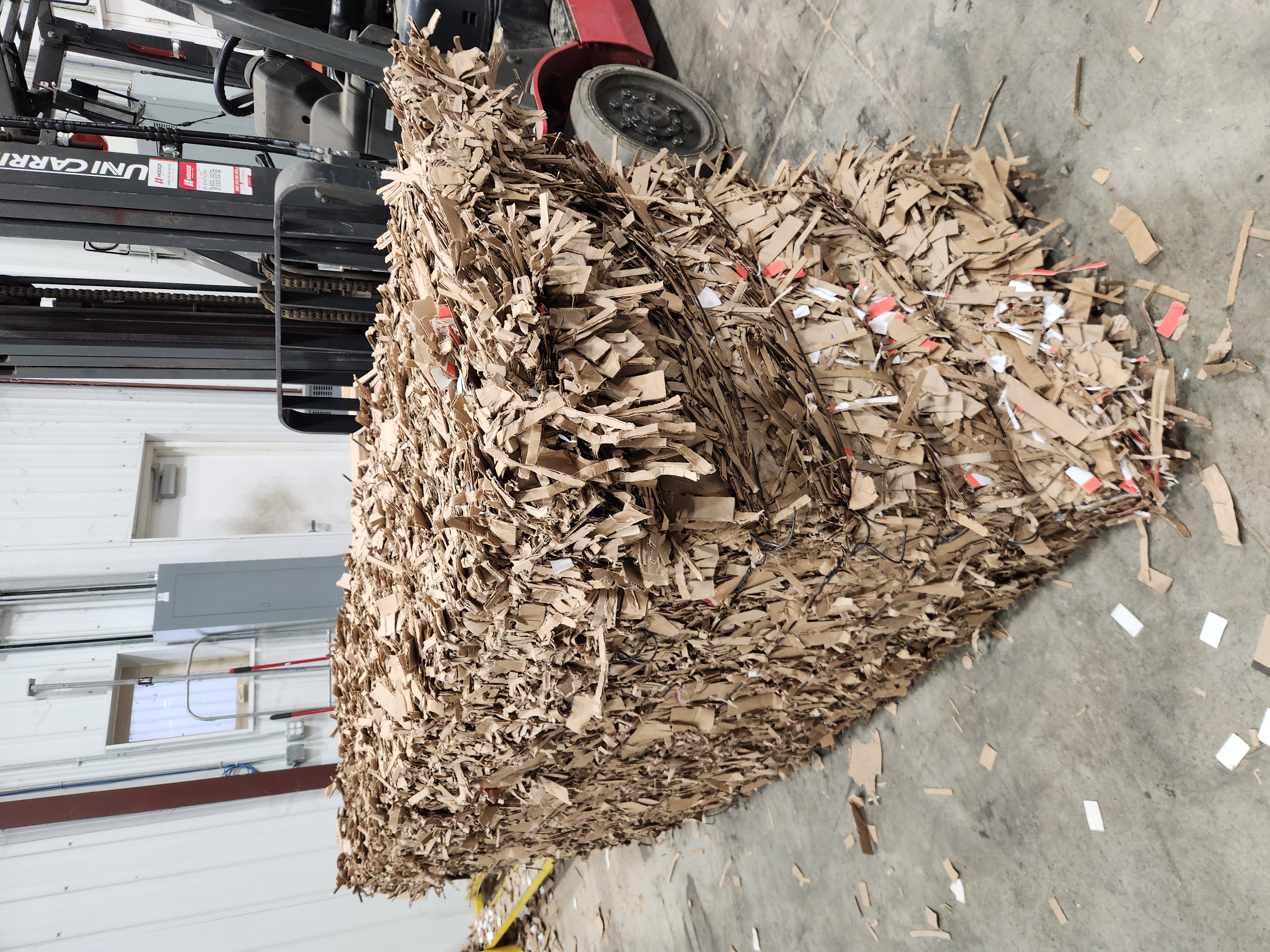
Corrugated material can be recycled/reused for:
- New Boxes and Packaging Materials
- Egg Cartons
- Paper Towels and Tissues
- News Paper and Writing Paper
- Arts and Crafts
Benefits for Businesses
Choosing sustainable packaging isn’t just good for the planet, it’s good for business. Today’s eco‑conscious consumers actively seek out brands that prioritize environmentally responsible practices, and corrugated packaging makes it easier for companies to meet those expectations.
Corrugated packaging is lightweight and space‑efficient, helping businesses lower shipping costs without compromising protection. Because these boxes require less energy to transport and stack efficiently, more units fit into each shipment. This reduces the number of trips needed, cuts fuel consumption, and decreases carbon emissions.
Beyond operational efficiency, using corrugated packaging strengthens a company’s reputation and supports compliance with sustainability standards. It also helps reduce the amount of waste going to landfills, giving consumers confidence that the packaging they’re choosing is better for both them and the environment.
Sustainable packaging doesn’t have to come at a high cost. With corrugated solutions, businesses can reduce expenses, minimize their environmental footprint, and deliver exactly what consumers are looking for. Packaging that protects products, the planet, and the bottom line.
Moving Forward: The Sustainable Impact
Corrugated packaging represents a simple yet powerful way for businesses to advance their sustainability goals. Choosing corrugated means choosing reduced waste, lower emissions, and a healthier planet.
Looking to make your packaging more sustainable? Connect with us to explore corrugated solutions tailored to your business today!