Shipping damage is not just an inconvenience, but a direct hit to your bottom line and brand reputation. From product returns and replacements to frustrated customers, the ripple effects add up quickly.
One of the most common and often overlooked causes of shipment damage is void space inside your packaging.
Let’s break down what to do with void space in packaging, why it matters, and when it’s time to move beyond basic void fill solutions to custom packaging inserts.
What Is Void Space in Packaging?
Void space refers to the empty areas inside a shipping box that isn’t occupied by the product itself. When excess space exists, products can shift, collide with the box walls, or experience impact during transit. Even though corrugated packaging is durable, it can’t prevent damage if the contents inside are moving freely.
The most common method businesses choose to prevent damage is inserting void fill inside the box along with the product to prevent movement.
What Is Void Fill?
Void fill is a packaging material used to fill empty space in boxes to prevent items from shifting, colliding, or getting damaged during shipment. It is often placed inside the box with the product to fill the space the product does not occupy. There are many types of void fill materials that can help ensure products being packaged are protected in shipment and storage environments.
Common Types of Void Fill Materials
Kraft paper / crinkle paper
Pro: Eco-friendly and versatile; good for light cushioning and blocking. Cost-effective and widely available.
Con: Limited shock absorption for fragile or heavy items, can require large quantities to fill space, and adds weight compared to air based.
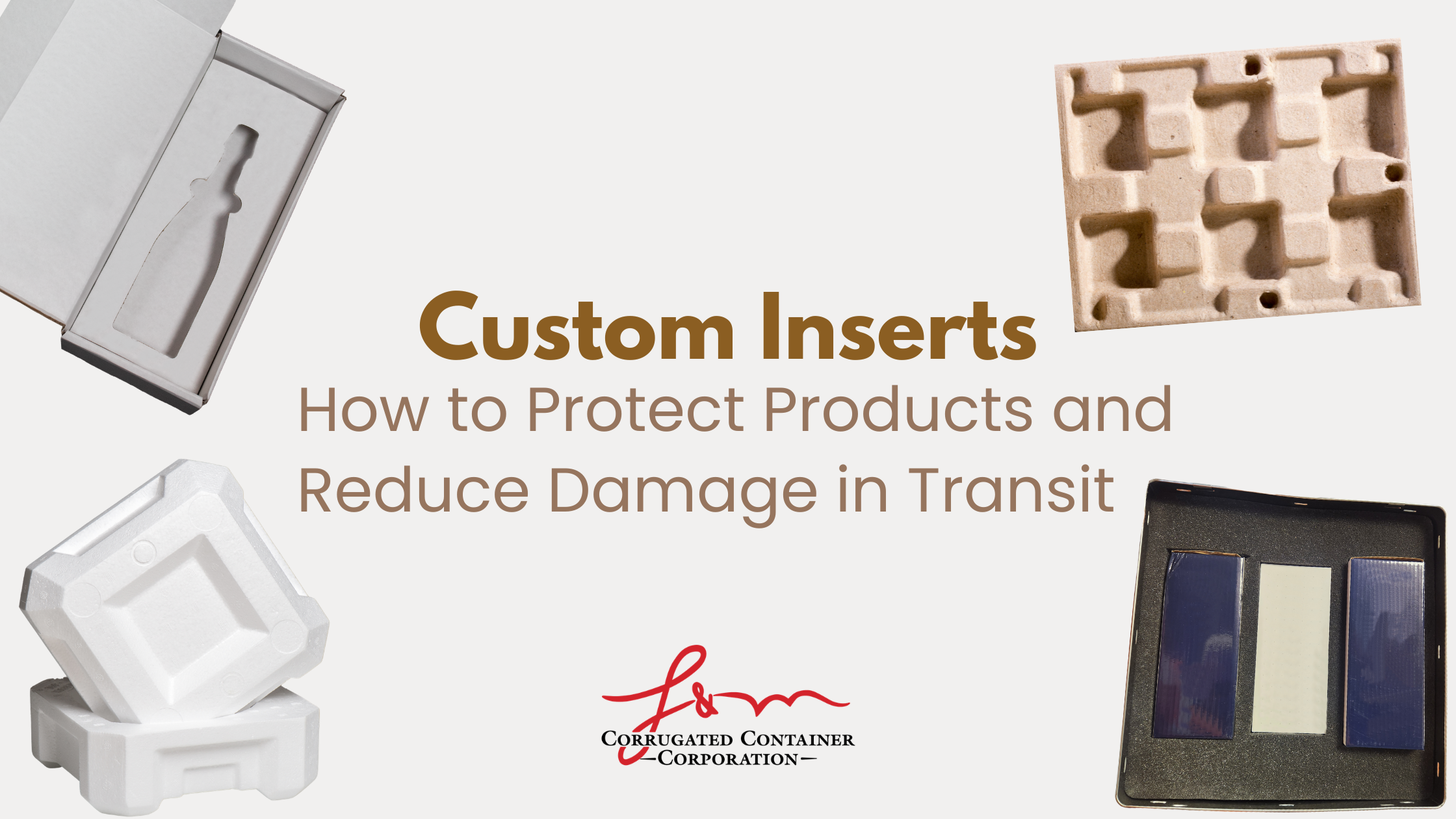
Molded pulp (Custom)
Pro: Sustainable and protective with shock absorption, often used as an alternative to foam. Custom-molded for consistent fit.
Con: Higher upfront tooling costs, longer lead times, less flexibility for multiple product variations. Can be bulkier than alternative materials.
Air pillows
Pro: Lightweight and cost-effective; best for filling large voids. Quick to put in packing operations and minimal material usage.
Con: Less sustainable plastic-based and limited protection for heavier items. Can pop or deflate in transit and does not restrain product movement well.
Foam-in-place (Custom)
Pro: Expands around the product for custom protection; ideal for irregular shapes, fragile, and high-value products. Cushioning and shock absorption, reducing product movement significantly.
Con: Higher financial investment, less sustainable (petroleum-based material).
Foam peanuts / loose fill
Pro: Good cushioning, lightweight, and fills awkward spaces easily. Cost-effective for low to medium volume shipping.
Con: Messy, inconvenient for end users, and unsustainable. Difficult to control product movement and items can shift. Can settle during transit, reducing protection.
Corrugated inserts (Custom)
Pro: Structured, recyclable solutions that hold products in place. Strong structural support and product separation. Customizable to fit product dimensions. Cost-efficient at scale and works seamlessly with corrugated boxes.
Con: Less cushioning compared to foam-based solutions. Requires design/die-cut setup. Not ideal for highly fragile or delicate items without added protection.
Why Void Fill Matters in Corrugated Packaging
Corrugated boxes provide structural strength, but they also rely on proper internal support to perform effectively.
Too much void space can reduce stacking strength and increase impact damage. This can lead to higher return rates, increased material costs, add unnecessary dimensional charges, and create waste for your business.
Void fill is an added benefit if you are also shipping high-value or fragile items. However, the type of void fill material chosen is important to consider when needed to protect high-value or fragile items through shipment.
When Generic Void Fill Isn’t Enough
Most generic void fill options work only up to a point. The goal is balance: right-sized packaging with the right amount of protection.
Generic void fill material like kraft crinkle paper, air pillows, and foam peanuts fill empty space in a box to prevent product movement. Yet without structural strength in these materials, they cannot guarantee products will not move in rough shipping environments. Custom inserts are designed to fit and secure the product with additional protection beyond the strength of the corrugated box.
Consider custom packaging inserts if you’re experiencing:
- Frequent shipping damage or returns
- Fragile or high-value products
- Products with irregular shapes
- High shipping volume where efficiency matters
Custom inserts are designed to secure the product in place, reducing movement, and improving protection.
When to Use Custom Packaging Inserts
Corrugated Inserts
- Best for: Lightweight to moderately heavy products
- Benefits: Cost-effective, recyclable, customizable
- Common industries: eCommerce, subscription boxes, retail packaging
Foam Inserts (EVA, PE, PU)
- Best for: High-value or sensitive items
- Benefits: Superior cushioning and shock absorption
- Common industries: Electronics, medical devices, tools
Molded Pulp Inserts
- Best for: Sustainable packaging initiatives
- Benefits: Compostable, recyclable, good structural support
- Common industries: Food & beverage, consumer goods
Die-Cut Paperboard Inserts
- Best for: Retail presentation and lighter products
- Benefits: Clean look, customizable branding
- Common industries: Cosmetics, small consumer items
Hybrid Solutions
Combining materials—like corrugated structure with foam cushioning—can provide optimal protection for complex products.
The Benefits of Optimizing Void Fill and Inserts
Investing in the right packaging strategy delivers measurable results. Beyond reducing product damage rates, void fill inserts provide better customer experience in unboxing. Both generate a stronger brand reputation and therefore build customer loyalty from the first unboxing.
How to Get Started
Improving your packaging doesn’t have to be complicated:
- Identify if there are damage patterns or recurring issues
- Evaluate your current packaging for excess void space
- Consider right-sizing your corrugated boxes
- Test or consult with a packaging expert on different void fill insert solutions
- Partner with a packaging expert to optimize design and materials
Learn more: Right-sizing your corrugated packaging to fit your product and reduce shipping costs
Don’t Let Empty Space Cost You
Void fill plays a critical role in protecting products but it’s not always enough on its own.
As your products, volumes, and customer expectations grow, custom packaging inserts can provide the consistency, efficiency, and protection needed to reduce damage and elevate your brand.
If you’re looking to improve your packaging performance, now is the time to reassess your approach and eliminate voids where they matter most.
Looking to reduce damage and optimize your packaging? Our team specializes in custom corrugated packaging solutions designed to protect your products and your brand. Let’s connect and see where we can help your packaging process.